About the EthicaAI Fellowship

Building the Next Generation of AI Professionals


The EthicaAI Fellowship is a 12-week online innovation fellowship designed for individuals who want to move beyond learning and begin creating.
Participants identify a real-world problem they care about, investigate it through research and analysis, develop a meaningful solution or contribution, and publish their work publicly.
The Fellowship combines guided learning, structured challenges, peer review, mentorship, and publication opportunities to help participants build both practical skills and a professional portfolio.
Unlike traditional programs that focus primarily on certifications, the EthicaAI Fellowship emphasizes contribution, critical thinking, and real-world impact.
Program Overview
Duration
12 Weeks
Format
Online
Registration Period
Closes July 10, 2026
Program Start
August 2026
Cohort Size
Limited Spaces
Cost
Free (Founding Cohort)
Requirements
Applicants should have:
• Access to a laptop or smartphone
• Reliable internet access
• Curiosity and willingness to learn
• A commitment to completing Fellowship deliverables
• Respect for constructive feedback and collaboration
No technical background is required.
No coding experience is required.
The Fellowship Journey
Phase 1: Identify
Weeks 1–4
Participants begin by exploring a problem they deeply care about.
They learn how innovators identify meaningful opportunities for impact and how to transform observations into research questions.
Focus Areas
• Problem identification
• Root cause analysis
• Stakeholder mapping
• Research methods
• Evidence gathering
Key Deliverable
Problem Identification Statement
Phase 2: Investigate
Weeks 5–8
Participants deepen their understanding of the problem through research, analysis, interviews, case studies, and evidence collection.
Focus Areas
• Literature review
• Industry research
• Systems thinking
• Accessibility and inclusion
• Opportunity analysis
Key Deliverable
Research Report
Phase 3: Create
Weeks 9–10
Participants develop a contribution designed to address the problem they have explored.
This contribution may take many forms depending on the participant’s goals.
Possible Outputs
• Framework
• Policy Proposal
• Research Paper
• Business Concept
• Community Initiative
• Educational Resource
• Prototype
• MVP
Key Deliverable
Solution Artifact
Phase 4: Publish
Weeks 11–12
Participants refine their work, receive peer feedback, and prepare it for publication.
Focus Areas
• Peer Review
• Editing
• Professional Communication
• Thought Leadership
• Presentation Skills
Key Deliverable
Published Portfolio Piece
Community Learning
Every Fellow participates in structured peer review.
Participants publish weekly deliverables and provide constructive feedback on the work of their peers.
This creates a collaborative environment where ideas can be challenged, improved, and strengthened.
Innovation is rarely a solo activity.
The Fellowship is designed to reflect that reality.
What Fellows Graduate With
• A published portfolio
• Original research
• A framework, proposal, paper, prototype, or initiative
• Experience conducting independent investigation
• Experience receiving and applying feedback
• Evidence of critical thinking and problem-solving ability
• Professional visibility through publication
Example Fellowship Projects
• Improving accessibility in digital banking
• Increasing AI adoption in education
• Building ethical AI governance frameworks
• Addressing healthcare inequities through technology
• Improving public sector service delivery
• Designing inclusive AI systems
• Developing responsible innovation policies
• Creating community-based technology initiatives
Our Goal
The goal of the Fellowship is not simply to teach participants about Artificial Intelligence.
The goal is to help participants learn how to identify problems, investigate them rigorously, develop solutions, and contribute something meaningful to society.
Learn. Research. Build. Publish. Lead.
Meet Your Organizer
-
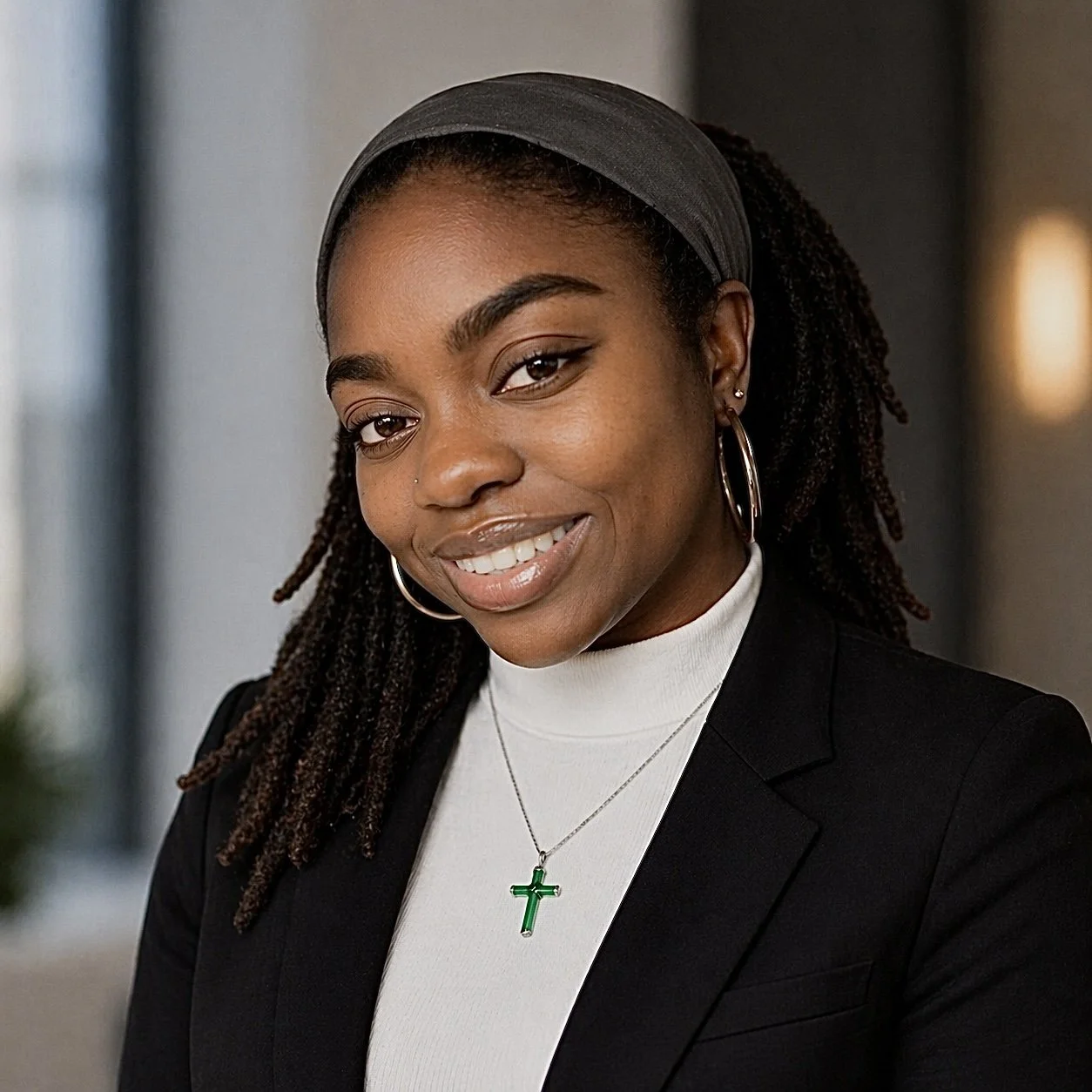
Her work focuses on Inclusive AI, AI adoption, accessibility, innovation, and helping organizations and communities prepare for an AI-enabled future.
Kai has contributed to research, innovation initiatives, and professional engagements connected to organizations and ecosystems including the Planning Institute of Jamaica (PIOJ), UN Women initiatives, that led her toto being recognized by Caribbean Tech Stars, and other members of the regional innovation community.
Her mission is simple:
To help build a future where Artificial Intelligence is accessible, responsible, inclusive, and beneficial for all.
Frequently Asked Questions
-
Yes, it is free.
-
No.
The Fellowship is designed for participants from diverse backgrounds and interests.
-
No.
Curiosity, professionalism, and a willingness to learn are valued most.
-
Participants should expect to dedicate approximately 3–5 hours per week.
-
Selected submissions may be published through EthicaAI with full author attribution.
We also aim to connect you with international publishing associations.
-
Yes. Participants who successfully complete the program will receive an EthicaAI Fellowship Certificate.
-
No — This fellowship is a founder-led professional development and mentorship program designed to help emerging AI professionals build skills, portfolios, and professional visibility.