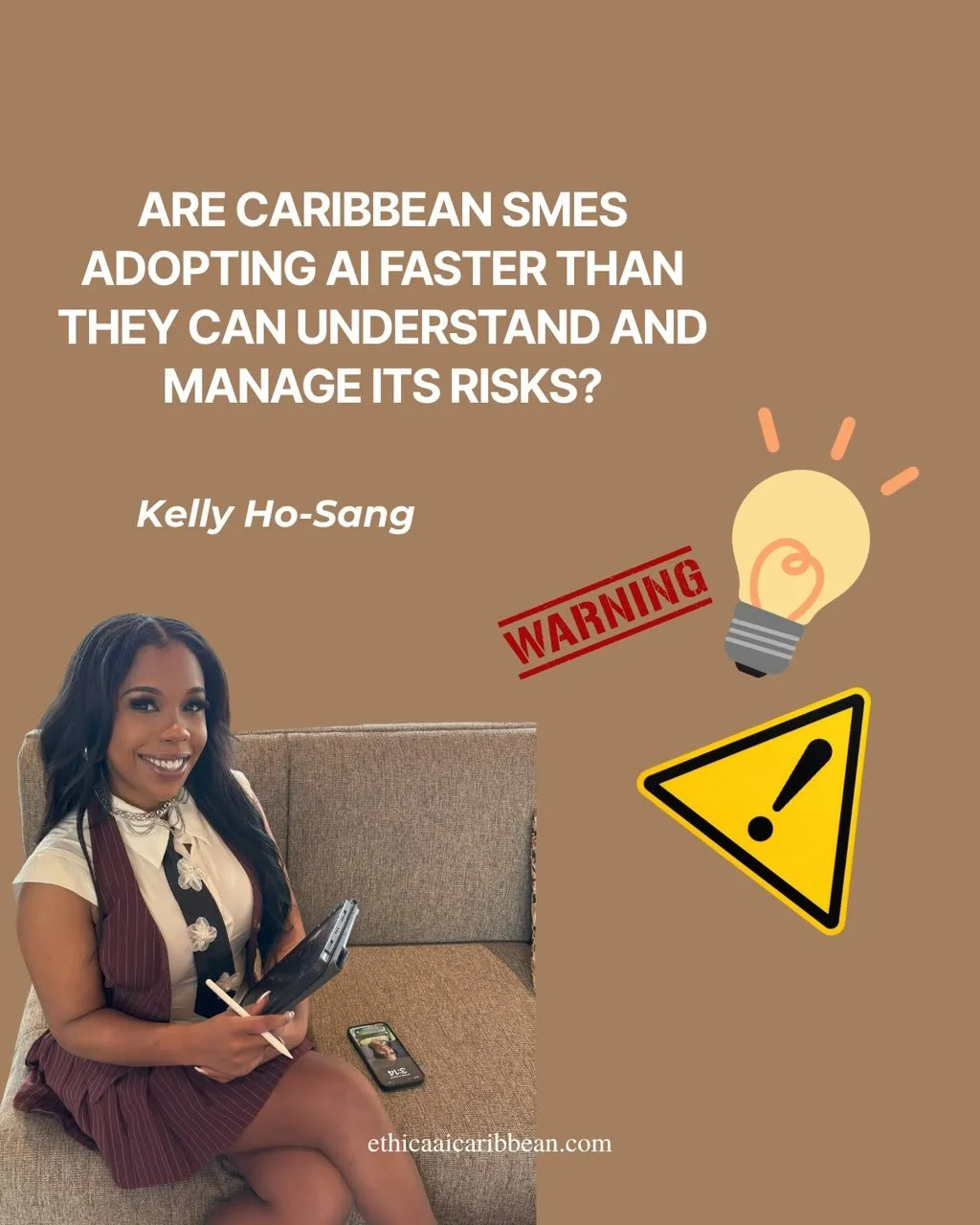
Kelly Ho -Sang
Kelly Ho-Sang is the Founder and Principal Consultant of Style Connoisseur Marketing, where she helps organizations bridge the gap between strategy and execution through marketing operations, project management, and business transformation. Her career spans integrated marketing at Resorts World New York City, experiential marketing with 160over90, and consulting across business operations and organizational growth.
Today, Kelly works alongside the leadership team at Carol's Auto Supplies, a leading Caribbean heavy-duty truck parts supplier, where she supports operational transformation through recruitment, inventory management, software implementation, and process improvement. This hands-on experience has fueled her interest in responsible artificial intelligence and its potential to strengthen supply chains, improve operational efficiency, and drive sustainable business growth across the Caribbean.
Through the EthicaAI Caribbean Fellowship, Kelly hopes to develop practical, ethical, and scalable AI solutions that empower Caribbean businesses to adopt AI responsibly while building more resilient, efficient, and future-ready operations.
Caribbean AI policy should be centred around AI literacy, digital transformation and responsible adoption, particularly for SMEs and the workforce. AI education should be treated as basic business infrastructure, with literacy introduced through schools and workforce-development programmes while SMEs receive practical support to digitize their records, processes and operations. Tax credits could incentivize digital transformation, but simply purchasing a ChatGPT subscription should not qualify; businesses should demonstrate meaningful implementation, employee training and measurable operational improvements. Responsible adoption must also include protections for data privacy, transparency, bias and the use of a person’s image, voice, likeness or personal information. Implementation should begin with a small SME pilot that measures whether participating businesses save time, improve productivity, reduce operating costs, increase revenue or strengthen their digital capabilities. Rather than presenting the proposal as another “AI bill,” it should be positioned around economic growth, stronger SMEs, workforce readiness, productivity and Caribbean competitiveness. AI may be widely available, but availability does not equal meaningful access; real access requires the education, digital systems, data, infrastructure and support necessary for people and businesses to benefit from the technology.
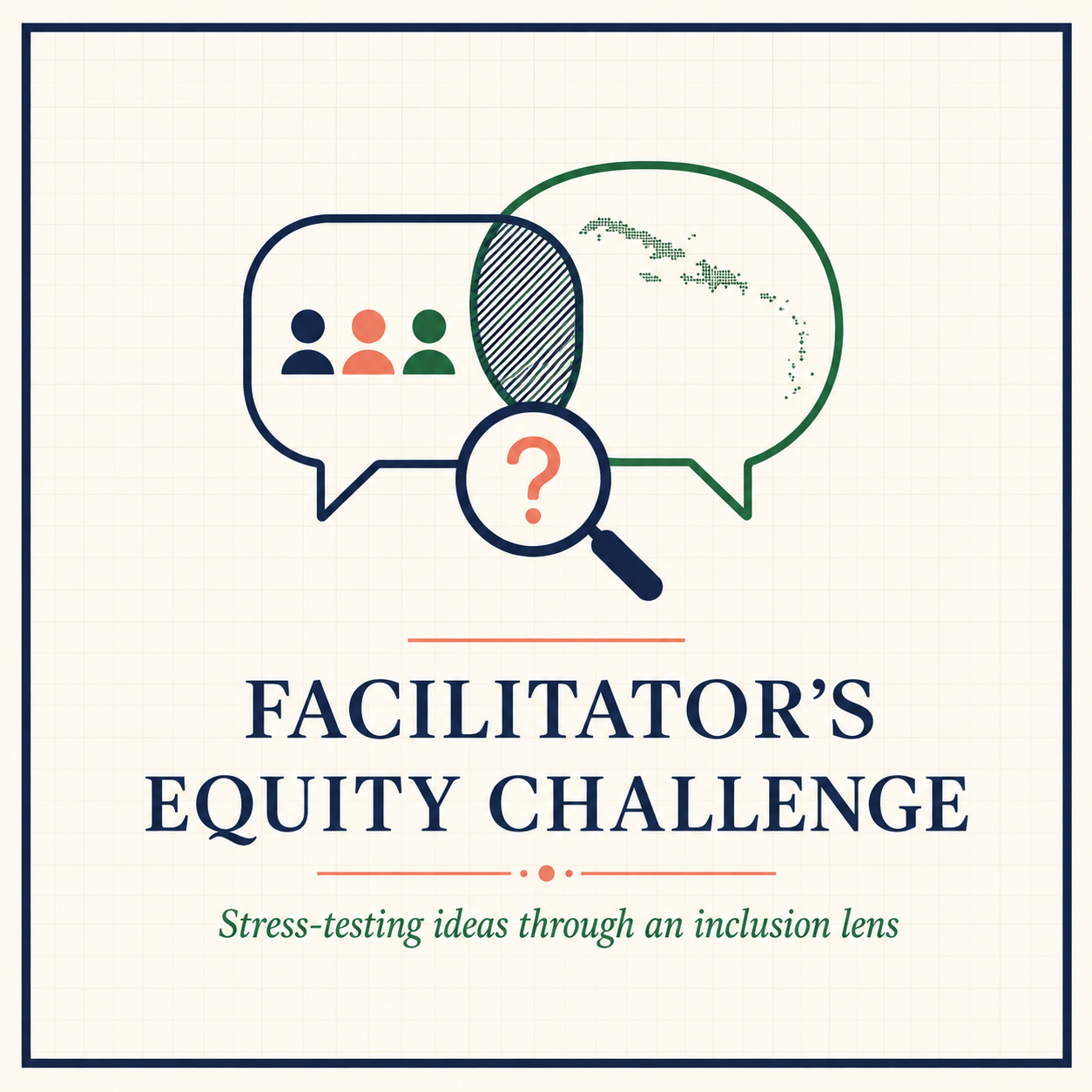
Building on this perspective, we proposed an additional equity question: could a well-intentioned tax-credit programme unintentionally favour businesses that are already digitally and financially equipped to qualify?
AI availability does not guarantee that businesses are equipped to benefit from it. Larger, digitally mature companies are more likely to have the money, expertise and administrative capacity needed to implement technology and qualify for tax credits. Smaller SMEs may need the most support but lack the upfront capital and evidence required to access it. Poorly designed eligibility requirements could therefore reward businesses that are already digitally capable. The framework must prevent this imbalance from widening the existing digital divide.